The Science Behind PTSD: What Trauma Does to the Brain — and How It Heals
If you've ever wondered why PTSD feels so much bigger than a memory — why your body reacts before your mind can catch up — the answer lives in your neurobiology. PTSD isn't a sign that something is wrong with who you are. It's a sign that your brain did exactly what brains are built to do: protect you. Understanding the science behind that protection, and how it can shift, is where genuine hope begins.
What Is PTSD, Really? Beyond the Diagnosis
PTSD is a neurobiological condition in which the brain's threat-detection and memory systems become dysregulated following exposure to overwhelming events. It is not a character flaw, a sign of weakness, or a failure to "move on."
The American Psychiatric Association defines post-traumatic stress disorder through clusters of symptoms — intrusive memories, avoidance, negative shifts in mood and thinking, and hyperarousal — but a diagnosis alone doesn't capture what's actually happening inside the brain. What we now know from decades of neuroimaging research is that trauma leaves measurable, physical changes in brain structure and chemistry.
The trauma response — the fight-flight-freeze cascade your nervous system launches during danger — is a survival mechanism refined over millions of years. In most situations, that response activates, protects you, and then settles. With PTSD, the settling doesn't happen. The brain stays locked in a state of threat, even when the danger is long past. That's not weakness. That's a system doing its job too well, for too long.
How Trauma Rewires the Brain
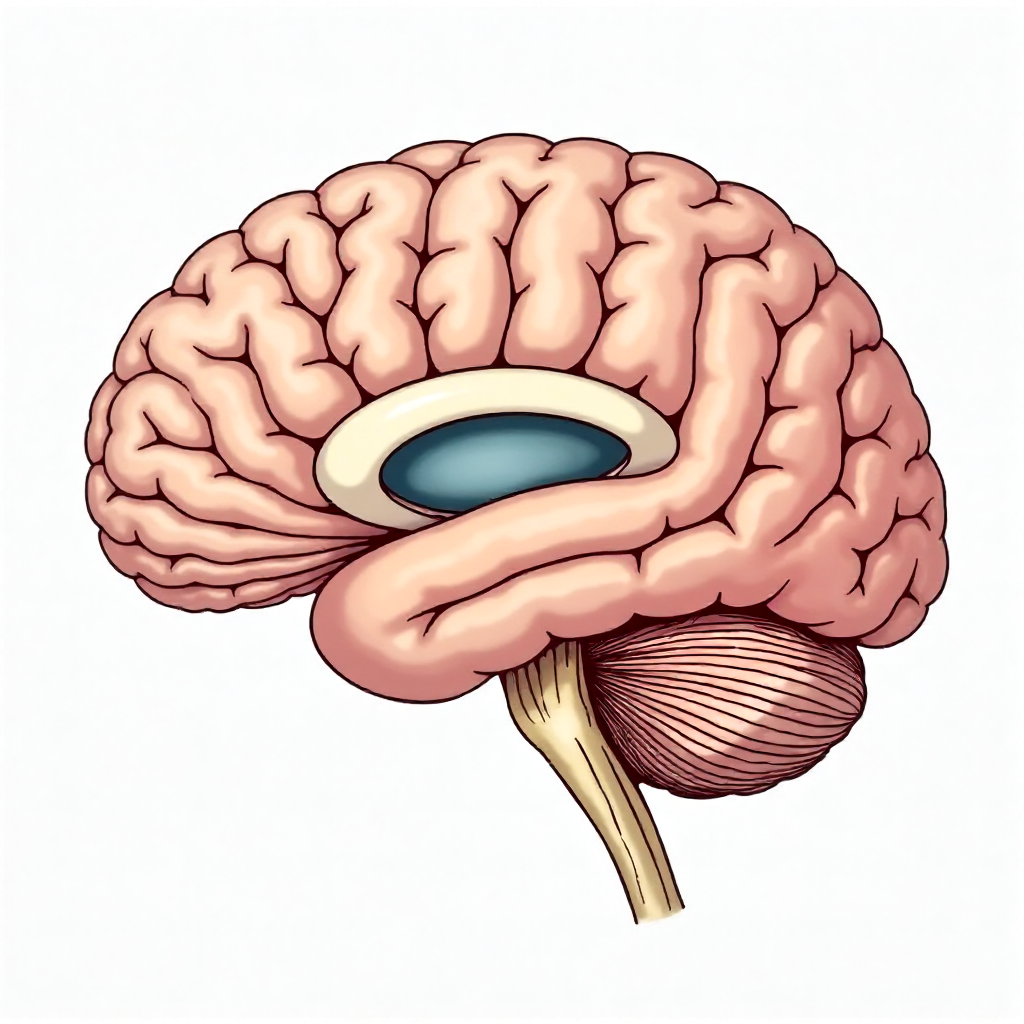
Trauma changes three brain regions most significantly: the amygdala becomes overactive, the hippocampus loses volume, and the prefrontal cortex goes quiet when it should be speaking up.
The amygdala acts as the brain's alarm system. In people with PTSD, it becomes hyperactivated — firing threat signals in response to stimuli that wouldn't register as dangerous to someone without trauma history. A car backfiring. A particular smell. The tone of a voice. The amygdala doesn't distinguish between "similar to danger" and "actual danger." It just sounds the alarm.
At the same time, the hippocampus — the region responsible for contextualizing memories in time and place — often shrinks in volume among PTSD sufferers. Research published in journals like Biological Psychiatry has documented hippocampal volume reductions of 8–19% in trauma survivors. This matters because the hippocampus is what tells you a memory is in the past. When it's compromised, traumatic memories can feel present-tense, immediate, happening now.
Meanwhile, the prefrontal cortex — the brain's rational moderator, responsible for emotional regulation and decision-making — becomes underactive. Under normal conditions, the prefrontal cortex can "talk down" the amygdala, providing context and calming the alarm. In PTSD, that regulatory pathway weakens. The alarm keeps ringing, and the moderator can't get a word in.
These three changes together explain many of the most distressing PTSD symptoms: the startle response, the emotional flooding, the difficulty thinking clearly under stress.
The Stress System Under Siege: Cortisol and the HPA Axis
PTSD doesn't only live in the brain — it runs through the entire body via the HPA axis (hypothalamic-pituitary-adrenal axis), the hormonal system that governs your stress response.
Under normal circumstances, a threat triggers the HPA axis to release cortisol, which mobilizes energy and sharpens focus. Once the threat passes, cortisol levels drop and the body returns to baseline. Chronic trauma disrupts this cycle. In many PTSD sufferers, cortisol regulation becomes abnormal — some show persistently low baseline cortisol (the system has essentially burned out its feedback loop), while others show exaggerated cortisol spikes in response to triggers.
This dysregulation is why PTSD symptoms feel so physical: the racing heart, the nausea, the muscle tension, the exhaustion. These aren't "in your head" — they're in your bloodstream, your nervous system, your gut. The body is responding to a stress hormone system that never fully reset.
Understanding this helps explain something important: healing from PTSD requires more than changing thoughts. The body itself needs to be part of the recovery process.
Why Trauma Memories Feel Different
Traumatic memories are stored differently from ordinary memories, which is why they can surface as flashbacks, intrusive images, or physical sensations rather than as coherent narratives.
Ordinary memories are processed through the hippocampus, tagged with context (when, where, how it ended), and stored as past events. During overwhelming trauma, this encoding process breaks down. The hippocampus — already compromised by stress hormones flooding the brain — fails to properly integrate the experience into a coherent timeline. Instead, fragments of the event get stored in a more raw, sensory form.
When a trigger activates those fragments later, the amygdala responds as if the event is happening again. The prefrontal cortex can't provide the "that was then, this is now" correction. The result is a flashback — not a voluntary memory, but an involuntary reliving.
This isn't a failure of willpower or a sign that you're "dwelling." It's a predictable outcome of how the traumatized brain stores and retrieves information. Knowing this can reduce the shame many survivors carry around their symptoms.
Neuroplasticity — The Brain's Built-In Capacity to Recover
Neuroplasticity is the brain's ability to reorganize itself by forming new neural connections throughout life — and it is the biological foundation for genuine PTSD recovery.
For most of the 20th century, scientists believed the adult brain was largely fixed. We now know that's wrong. The brain can grow new neurons (a process called neurogenesis, particularly in the hippocampus), strengthen underused pathways, and weaken overactive ones. This isn't metaphor — it's measurable structural change.
For trauma survivors, neuroplasticity means that the hyperactive amygdala can be calmed. The shrunken hippocampus can regrow volume. The underactive prefrontal cortex can rebuild its regulatory connections. Studies using MRI have documented these changes in people who complete evidence-based trauma treatment — the brain physically changes in response to healing.
Recovery doesn't mean erasing what happened. It means building new neural pathways so that the memory of what happened no longer commands the same level of threat response. The past stays in the past, where the hippocampus was always trying to put it.
Treatments That Work With the Brain, Not Against It
The most effective PTSD treatments work precisely because they target the neurological changes trauma causes — not just the symptoms on the surface.
EMDR (Eye Movement Desensitization and Reprocessing) uses bilateral sensory stimulation (typically guided eye movements) while the patient holds a traumatic memory in mind. The leading theory is that this bilateral stimulation mimics the brain activity of REM sleep, activating the memory while simultaneously engaging the prefrontal cortex — essentially allowing the brain to reprocess and re-file the traumatic memory with proper context. Multiple randomized controlled trials support its effectiveness, and the World Health Organization recommends EMDR for PTSD treatment in adults.
Cognitive Processing Therapy (CPT) works by identifying and reshaping the distorted thought patterns — called "stuck points" — that trauma creates. At a brain level, CPT strengthens prefrontal cortex activity by repeatedly engaging rational evaluation of trauma-related beliefs. Over time, this rebuilds the regulatory pathways that PTSD had weakened.
Somatic and body-based approaches — including somatic experiencing, trauma-sensitive yoga, and breathwork — address the nervous system directly. Because trauma is stored in the body as well as the brain, these methods help regulate the HPA axis and restore a sense of safety in the physical self. They're particularly valuable for survivors whose trauma is stored more in sensation than in narrative memory.
None of these approaches are magic. Each requires time, a skilled practitioner, and a degree of readiness that varies from person to person. But all of them are grounded in the same underlying science: changing the brain through repeated, targeted experience.
Small Steps That Support Brain Recovery Every Day
Formal therapy is the core of PTSD treatment, but neuroplasticity is also shaped by daily habits — and several evidence-backed practices can actively support brain healing between sessions.
- Sleep: The hippocampus consolidates and organizes memories during deep sleep. Prioritizing sleep hygiene — consistent bedtimes, limiting screens before bed, a cool and dark environment — directly supports hippocampal function and cortisol regulation.
- Aerobic movement: Exercise increases brain-derived neurotrophic factor (BDNF), a protein that promotes neurogenesis in the hippocampus. Even 20–30 minutes of moderate cardio several times a week has been shown to support hippocampal volume recovery.
- Social connection: Safe, regulated relationships activate the ventral vagal system, which counteracts the fight-flight-freeze response. Connection is not just emotionally supportive — it's neurologically regulating.
- Mindfulness and breathwork: Slow, intentional breathing activates the parasympathetic nervous system, reducing amygdala reactivity over time. A consistent mindfulness practice has been linked to measurable increases in prefrontal cortex gray matter density.
- Reducing unnecessary stress loads: Every time the HPA axis fires unnecessarily, it reinforces dysregulation. Identifying and minimizing avoidable stressors — while building predictable routines — gives the system room to recalibrate.
These aren't cures. They're conditions that make healing more possible. Think of them as clearing the ground so the new neural pathways have space to grow.
Frequently Asked Questions
Can the brain fully recover from PTSD?
Yes, meaningful and lasting recovery is possible for many people. Research shows that effective treatment can reverse measurable neurological changes — including hippocampal volume loss and amygdala hyperactivity. "Full recovery" looks different for each person, but the goal is a life where trauma no longer dominates the present.
How long does it take for the brain to heal after trauma?
There's no universal timeline. Some people experience significant symptom relief within 12–20 sessions of structured therapy; others require longer-term support. Factors like trauma type, duration, age of onset, and available support all influence the pace. Neurological changes begin occurring early in treatment, even before symptoms fully resolve.
Why do PTSD symptoms sometimes get worse before they get better in therapy?
Trauma therapy involves deliberately approaching memories and feelings that the brain has been working hard to avoid. Early in treatment, this can temporarily increase distress as the nervous system processes material it had suppressed. This is a normal part of the neurological reprocessing — not a sign that therapy is failing. A good therapist will pace this carefully and build stabilization skills alongside trauma work.
Is PTSD a permanent condition or can it be treated?
PTSD is treatable. It is not a life sentence. While some people live with managed symptoms long-term, many achieve full remission with appropriate, evidence-based care. The brain's neuroplasticity means that change is biologically possible at any age and at any stage of the condition.
What does a trauma-triggered response actually feel like in the brain and body?
When a trigger activates the trauma response, the amygdala fires before the conscious mind registers what's happening. Cortisol and adrenaline flood the system within milliseconds. The body may experience a racing heart, shallow breathing, muscle tension, tunnel vision, or dissociation. The prefrontal cortex goes partially offline, which is why rational thinking feels impossible in those moments. The response is automatic, not chosen — and understanding that can reduce the self-blame many survivors feel afterward.