How Live Dealer Casinos Are Transforming Online Gambling in 2026: A US Player's Guide to Real-Time Table Games, Technology, and Choosing Trusted Sites

I've watched online gambling shift for years now, but nothing's moved the needle quite like the live dealer boom happening right now in 2026. What used to feel like a cheap stand-in for the real casino floor actually rivals it these days — sometimes it beats it, if I'm honest. Real people dealing real cards, streamed straight to your phone or laptop in crisp HD, closed a gap that random number generators never could touch. In this guide, I'll walk you through what live dealer casinos actually are, why they've exploded among US players, the tech quietly making it all work, and — this part matters most — how you tell the trustworthy platforms apart from the ones you should avoid entirely.
What Are Live Dealer Casinos?
Live dealer casinos sit in this odd, fascinating middle ground between old-school online gambling and an actual casino floor. Instead of software generating outcomes through some hidden algorithm, you're watching a real human spin a real roulette wheel, shuffle physical cards, or run a genuine baccarat shoe — all caught on camera and pushed to your screen in real time. You place bets through a digital layer sitting over that video feed. Tactile authenticity meets couch convenience. Kind of the best of both worlds, honestly.
This is fundamentally different from RNG-based games, where every outcome gets mathematically simulated by software and nobody ever really sees anything happen. It's also different from walking into a physical casino, since you're interacting through a screen instead of sitting at the felt yourself. What you get instead is a hybrid — verifiable, physical randomness combined with the accessibility of just... opening an app.
Popular Live Dealer Game Formats
Blackjack remains the most requested live dealer game among US players, mostly because the rules translate so cleanly to a streamed format. Roulette and baccarat follow close behind — simple betting structures, easy to follow even on a smaller mobile screen. Live poker variants, particularly Casino Hold'em and Three Card Poker, have picked up a loyal following too.
What's really caught fire lately, though, are the game-show-style formats — wheel-spinning, multiplier-driven experiences similar to Crazy Time. These blend TV production values with actual gambling mechanics, and they've pulled in a younger, more casual crowd that probably wouldn't have bothered with traditional table games otherwise.
Why Live Dealer Casinos Are Reshaping Online Gambling in 2026
A few forces are driving this. First — and I think this one gets underrated — there's a genuine hunger for authenticity. Players got tired of wondering whether an RNG outcome was truly fair, and watching a physical card hit the table just... removes that doubt. Full stop. Second, the social layer matters more than most people expect. Being able to chat with a dealer or drop a quick message to other players at your virtual table adds something a solitary RNG game simply can't fake.
Transparency plays into it too. When you can watch the wheel spin or the cards fall live, trust builds naturally — you don't have to take anyone's word for it. And frankly, the post-pandemic shift toward digital-first entertainment never really reversed. People got comfortable gambling from home and, well, they never fully went back. Stack that on top of more states legalizing regulated online casino play, and you've got a pretty clear recipe pushing live dealer formats into the mainstream.
The Technology Powering Real-Time Table Games
None of this works without serious infrastructure quietly humming in the background. Studios now run HD and increasingly 4K camera setups with multiple angles per table, so you can zoom in on the card reveal or watch the roulette ball settle without a single pixelated blur. Optical character recognition reads cards and dice instantly, feeding accurate results into the betting system with no human error, no delay.
Low-latency servers are the unsung hero here. Nobody wants a half-second lag between the dealer's action and what shows up on their screen, especially when real money's riding on it. In 2026, I'm also seeing early experiments with AI-assisted dealer analytics — helping studios monitor pacing and flag irregularities in real time — plus VR-enhanced tables that make players feel like they're sitting at the actual felt rather than just watching a feed from across the room.
Mobile and Cross-Platform Accessibility
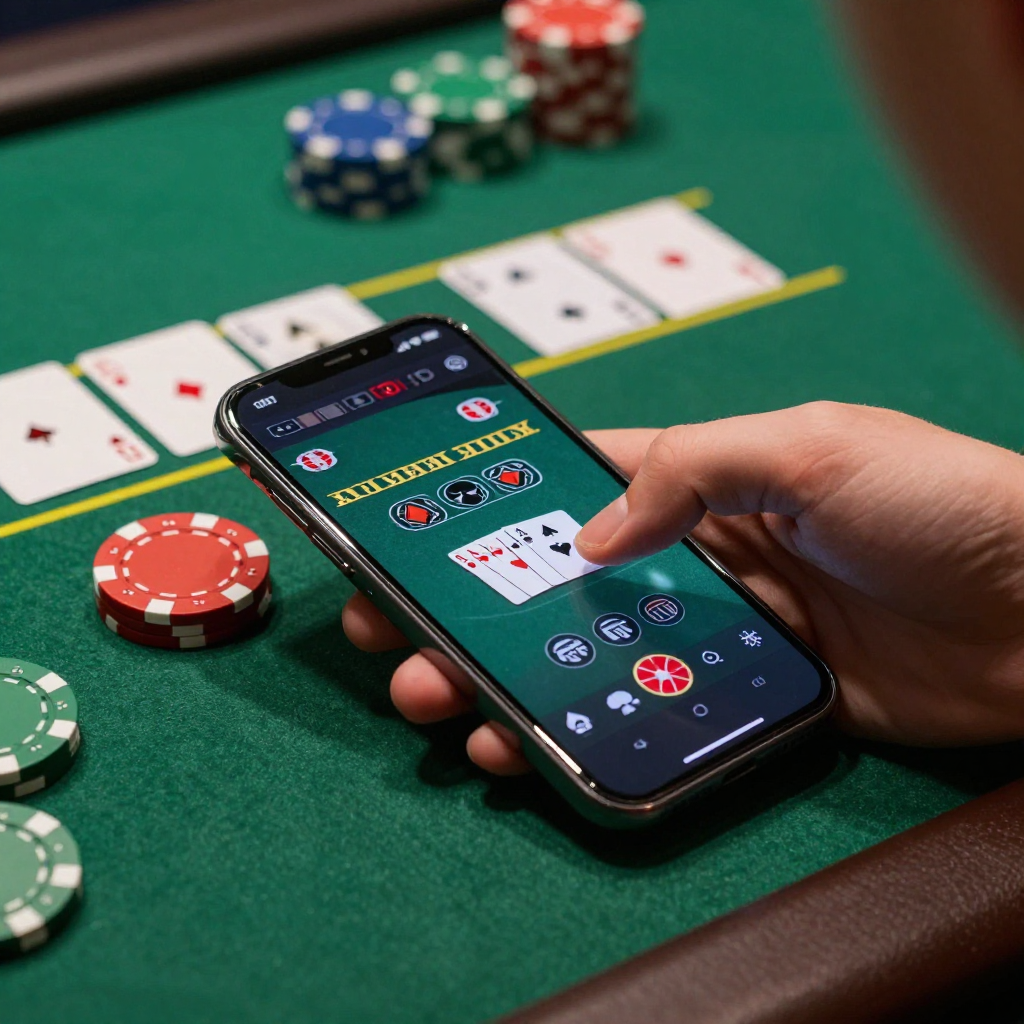
Given how much US wagering now happens on phones during a commute or a lunch break, mobile optimization isn't optional. It's the baseline. The better platforms rebuilt their live dealer interfaces from scratch for touchscreens, compressing video quality intelligently based on your connection so the stream doesn't choke on a shaky cellular signal. Cross-platform continuity matters too — starting a session on your laptop and picking it back up on your phone should feel smooth and uninterrupted, and honestly, the top operators have gotten pretty good at pulling that off.
How to Choose a Trusted Live Dealer Casino Site
This is where I'd urge some caution, because not every operator puts the same money into quality or security. Start with licensing — a legitimate site clearly displays its regulatory credentials, ideally from a state-recognized authority if you're playing within a legal US market. Encryption matters just as much; look for sites running modern SSL/TLS protocols to protect your financial data.
Beyond that, pay attention to game variety and studio quality. Multiple blackjack and roulette variants? Good sign. Does the video stream look professional, or does it feel like a webcam bolted onto a folding table? Payout speed is another factor I take seriously — a site that takes over a week to process withdrawals is a site I'd think twice about touching.
Independent review platforms genuinely earn their keep here. Cross-border resources like Global News' live dealer casinos rankings for the Canadian market show exactly the kind of hands-on testing methodology worth looking for — evaluating streaming quality, dealer professionalism, and actual payout reliability instead of just repeating marketing copy. US players should hunt down comparable in-depth reviews before committing real money to any platform available in their state.
Red Flags to Watch For
- Vague or missing licensing information, or credentials that can't be verified through a regulatory body
- Customer support that's slow, unresponsive, or only available through a single limited channel
- Consistently delayed withdrawals or shifting excuses for payout holdups
- Bonus terms with unrealistic wagering requirements buried in fine print
Common Mistakes US Players Make with Live Dealer Casinos
I've watched the same mistakes trip up players again and again. Chasing losses is the big one — the real-time pace of live dealer games creates a false sense of momentum, tempting people to bet bigger to 'catch up' instead of sticking to a plan. Ignoring state-specific legal restrictions is another common misstep. Online casino legality varies a lot across the US, and what's fine in one state may not be available or legal in another.
Minimum bet requirements also catch newer players off guard, since live tables often carry higher minimums than RNG equivalents — studio costs have to get covered somehow. And don't underestimate bandwidth. A shaky connection can turn a smooth blackjack session into a buffering mess right when a hand actually matters.
The Future of Live Dealer Gaming in the US
Looking ahead, I expect state-by-state legalization to keep expanding, slowly opening live dealer access to more American players. AI-driven personalization will probably shape which games and tables get recommended to you based on your play history — whether that's a good thing or a slightly creepy thing depends on how you feel about algorithms knowing your habits. VR and AR integration, still experimental now, could go mainstream within a few years as headset adoption climbs. And as competition among operators heats up, I'd bet on faster streams, more realistic studio production, and increasingly creative game formats built to keep players locked in.
Live dealer casinos have genuinely redefined what online gambling feels like in 2026 — merging the trust and atmosphere of a physical casino with the convenience modern players expect. But that authenticity only holds up if you're playing on a platform that's actually licensed, secure, and upfront about how it operates. Before you wager real money anywhere, take the time to dig into independent reviews and verify a site's credentials. The research pays off more than any welcome bonus ever will — I'd stake a decent amount of money on that.