Creating a Safe Space: Steps to Feel More Secure in Your Environment
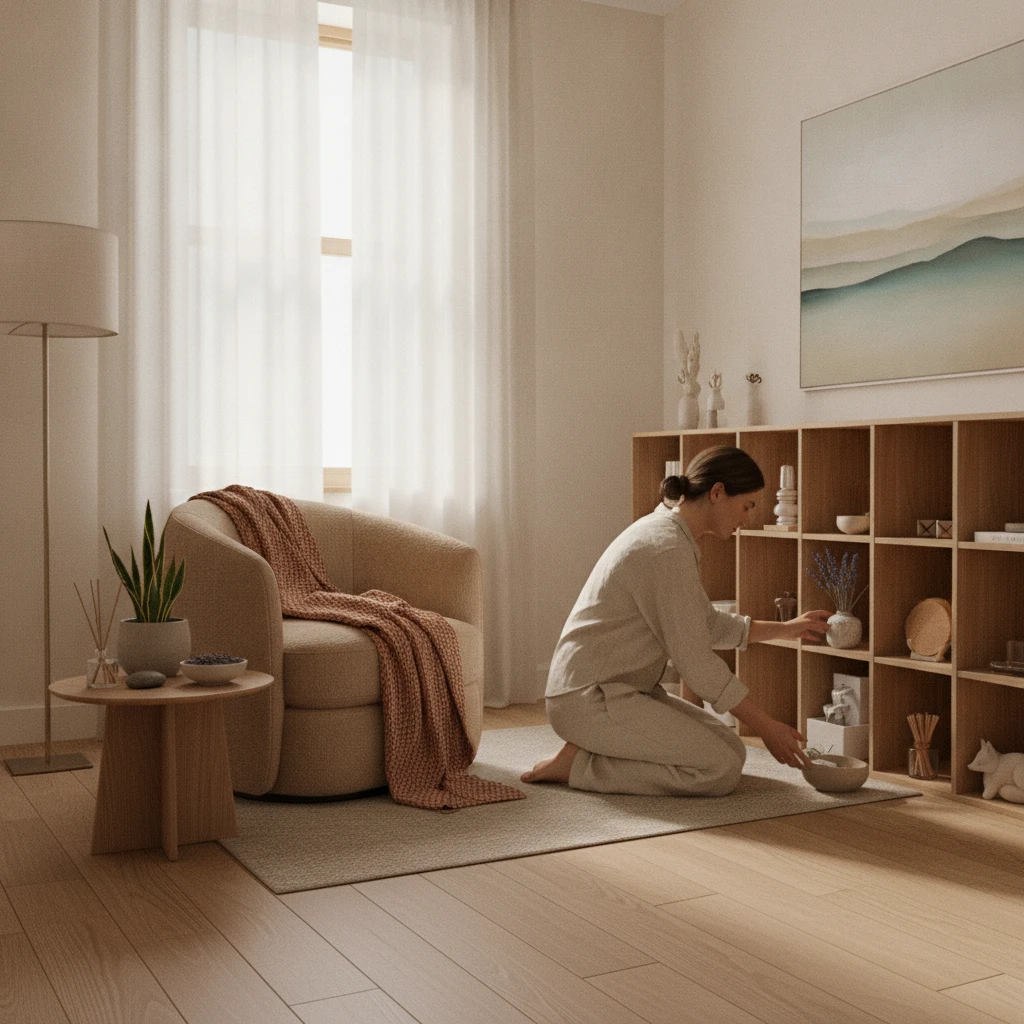
Feeling safer in your surroundings can take time, especially after trauma, a frightening experience, or a period of stress. A safe space may involve practical changes at home, supportive relationships, and small ways to reconnect with the present. You do not have to make everything feel calm at once. Start with what is manageable, and keep your choices at the center.
What a safe space can mean
A safe space is an environment, relationship, or personal practice that helps you experience more security and choice. It can support physical safety and emotional safety, though it cannot guarantee that you will never feel distressed.
Physical safety concerns the surroundings: whether you can leave, access what you need, and reduce immediate hazards. Emotional safety relates to how you are treated and whether you can express a limit, ask for help, or take space without being threatened or shamed. These forms of safety can affect each other. A locked door may provide reassurance, while respectful company can make it easier to settle at home.
Safety is also personal. A quiet room may feel comforting to one person and isolating to another. After trauma, familiar sounds, smells, places, or interactions can act as trauma triggers, even when no danger is present now. Feeling unsettled is not a failure. It is information worth meeting with care, not a reason to pressure yourself into feeling fine.
Start with immediate physical safety
To improve immediate physical safety, first identify whether there is a current danger, then choose one practical step that addresses it. A safe space should support real-world safety, not replace action when someone is at risk.
If you are in immediate danger, move to a safer location if you can and contact local emergency services or someone who can help. If the concern is less urgent, take a brief look at your surroundings. Focus on specific, changeable issues rather than trying to solve everything at once.
- Check that doors, windows, lighting, and essential household items work as needed.
- Keep a phone, keys, medication, or other essentials somewhere easy to reach if that feels useful.
- Choose a place where you can sit with a clear route to leave, if having an exit in view helps.
- Ask a trusted person to help with a practical change that feels difficult to manage alone.
These are options, not a checklist you must complete. If a safety concern involves another person, consider whether changing a lock or confronting them could increase risk. A local domestic violence service, crisis organization, or qualified professional may help you plan safely. Addressing immediate danger comes before trying to make a room feel soothing.
Use sensory cues to support calm
Sensory cues such as familiar light, sounds, textures, or scents can make a space feel more predictable. Choose cues that you find comfortable, and stop or adjust them if they increase distress.
Try making one small change rather than redesigning an entire room. You might lower a harsh light, open a curtain, use a familiar blanket, or put a preferred object where you can see it. Some people like steady background sound; others need quiet. There is no universal calming color, scent, or temperature.
It can help to make a small “choice point” in your space: a chair, corner, or bedside area with two or three things you can use or move. For example, keep a soft fabric and a book nearby, while leaving out anything that feels distracting. Having control over whether an item stays can matter as much as the item itself.
Be mindful of sensory sensitivities. Fragrance, dim lighting, closed curtains, or weighted objects can feel unpleasant or unsafe for some people. A calming space is an invitation, not a treatment, and it does not need to look a certain way to be supportive.
Build emotional safety through boundaries
Emotional safety grows when you have meaningful choice about contact, conversation, and access to your personal space. Personal boundaries clarify what feels acceptable and what you will do if a limit is crossed.
Boundaries can be direct and brief. You might say, “I’m not ready to talk about that,” “Please text before coming over,” or “I need some quiet time.” If speaking feels hard, a message or a request made with support may work better. You do not owe everyone a detailed explanation for a limit.
Consider who has access to your home, belongings, time, and personal information. You can choose different levels of closeness with different people. A person who respects your “no,” checks what support you want, and does not demand disclosure may be a safer person to include in your support network.
Boundaries may not change how another person behaves, and setting them can sometimes create conflict. If you expect retaliation or feel controlled, prioritize safety planning with a trusted advocate or professional rather than confronting the person alone. The aim is more choice and protection, not perfect communication.
Try grounding when safety feels uncertain
Grounding techniques can help some people notice the present moment when fear or overwhelm rises. They are optional tools, not a guarantee that a trauma trigger will pass or that a real danger is gone.
First, check your surroundings: are you facing an immediate threat, or are you experiencing distress in a place that is currently safe? If there is danger, focus on getting help and moving to safety. If you are not in immediate danger, try a practice gently and stop if it makes things worse.
- Orient to the room: Look around and name a few neutral details, such as the shape of a window or the color of a chair.
- Notice contact: Feel your feet on the floor or your back against a chair, without forcing your body to relax.
- Choose a sensory anchor: Hold a familiar object, listen for a steady sound, or take a sip of water.
- Use a simple reminder: If it feels true and helpful, tell yourself where you are and what choices you have right now.
Breathing exercises do not suit everyone, particularly if focusing on breath feels uncomfortable. You can instead look outward, move gently, or contact someone you trust. Grounding is about finding a tolerable point of contact with the present, not proving that you are safe or calm.
Create a plan for support
A support plan identifies who you can contact, what kind of help you want, and where to turn if distress or danger increases. It can include trusted people, community resources, and trauma-informed professional support.
Write down one or two people you could reach, along with how you prefer to be supported. For example, you might want a friend to stay on the phone, help with an errand, or simply listen without asking questions. It is reasonable to tell someone what helps and what does not.
A licensed mental health professional with experience in trauma can help you explore triggers, develop coping strategies, and consider treatment options at a pace that feels collaborative. You can ask about their approach, training, confidentiality, and what happens if a session feels overwhelming. If the first person is not a good fit, seeking another provider is an option.
If you need urgent emotional support, contact a crisis line or local crisis service. If you face immediate physical danger, contact emergency services where you live. The right resource depends on what is happening and what is available in your area.
Move at your own pace
Creating a greater sense of safety is personal and often gradual; it does not require a perfectly arranged home or a steady feeling of calm. Small, reversible steps count, and you can change course whenever something does not help.
You might begin by adjusting one sensory cue, naming one boundary, or saving a trusted person’s number. Notice what feels even slightly more manageable, without treating any single day as a final measure of progress. Some days may feel harder, especially around reminders of trauma or changes in your environment.
A safe space is one support among many. It cannot erase trauma or make an unsafe situation acceptable. You deserve practical protection, respectful relationships, and qualified care when you need it, including when your path toward feeling secure is uncertain.
Frequently asked questions
What is the difference between a safe space and a calming space?
A safe space emphasizes security, choice, and protection from harm; a calming space is arranged to support relaxation or reduce stimulation. A room can serve both purposes, but calm décor does not make an unsafe situation safe.
What can I do if my home does not feel safe?
Consider whether there is immediate danger. If there is, move to a safer place if possible and contact emergency services or a trusted person. For ongoing concerns, speak with a local support service or qualified professional about options and safety planning.
How can I create a sense of safety during a trauma trigger?
Check for present danger first. If you are currently safe, try a gentle grounding practice, orient to the room, or reach out to someone you trust. Stop any technique that increases distress; you do not have to force yourself to calm down.
When should I seek professional support?
Consider professional support if distress, fear, or trauma reminders are interfering with daily life, relationships, sleep, or your ability to feel safe. Seek urgent help if you may harm yourself or someone else, or if you are in immediate danger.